
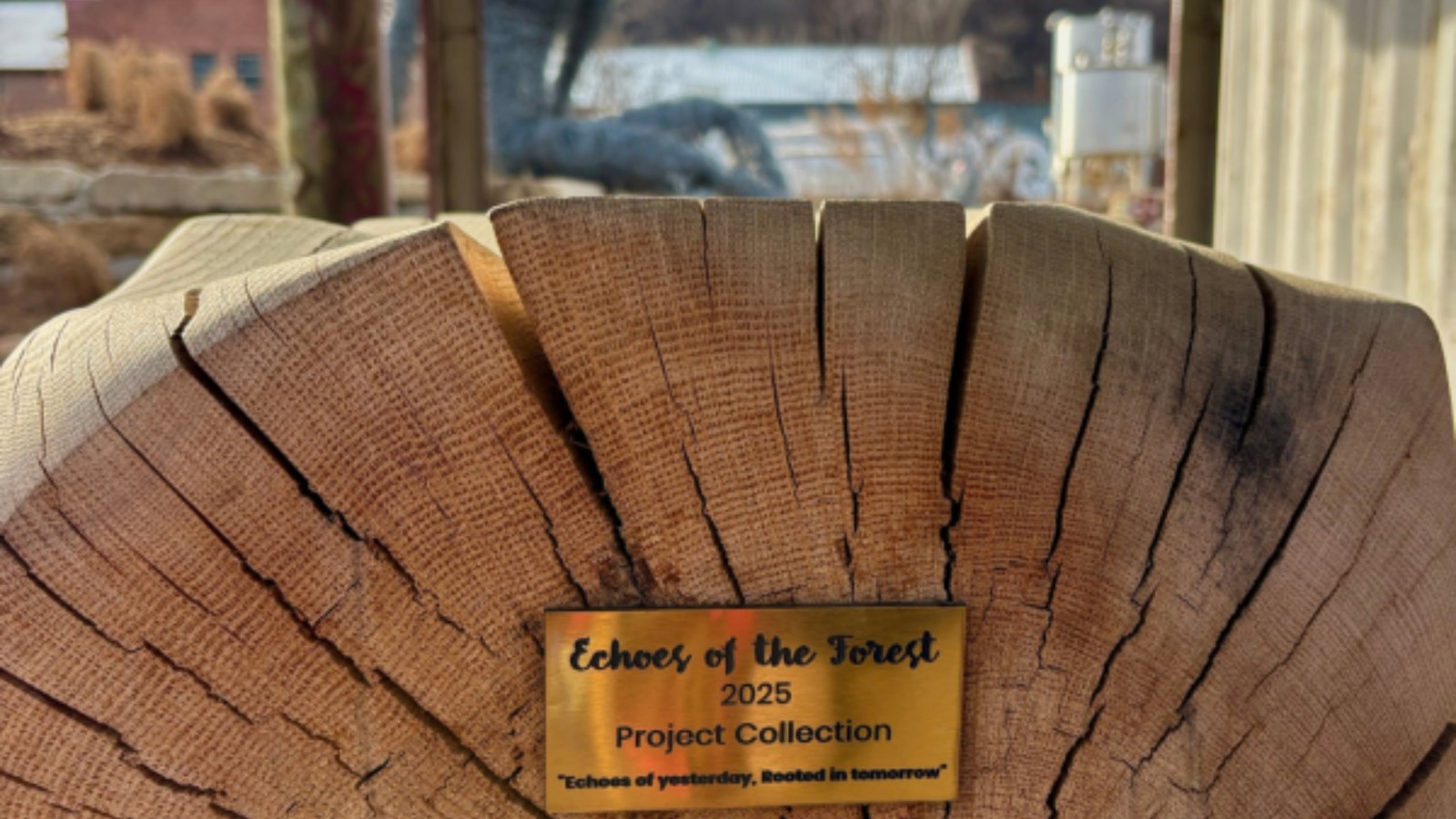
How sponsoring an Echo creates lasting impact for the artisans, communities, and generations who carry Western North Carolina's story forward.
Across Western North Carolina, woodworkers are bending over salvaged white oak and walnut, drawing chainsaws across hardwood, planing, sanding, finishing — turning what Hurricane Helene took down into something that will stand for generations. Each Echo is a piece of public art, but it's also a bridge: between a tree and a community, an artisan's livelihood and the visitors who'll sit on a bench fifty years from now.
These pieces need patrons. The artisans need partners. And the long story of this region's recovery needs people willing to write themselves into it.
The Scale of What Was Lost
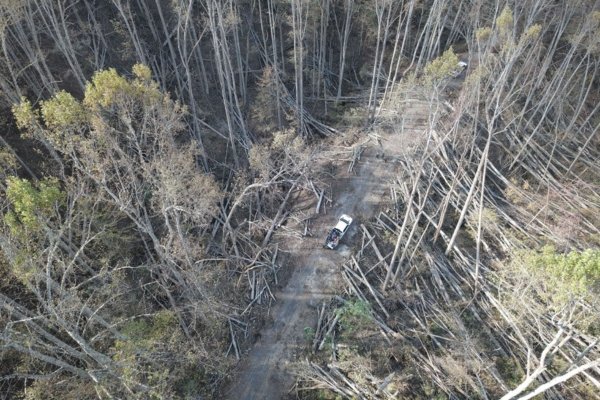
Helene damaged 821,906 acres of forestland across 39 counties, with $59.6 billion in regional economic losses. Roughly 78% of the forest damage occurred on private lands — affecting individual craftspeople who source their materials from the woods around them. The work of recovery isn't abstract. It's the daily labor of people we know, in places we can name.
The Human Face of Recovery
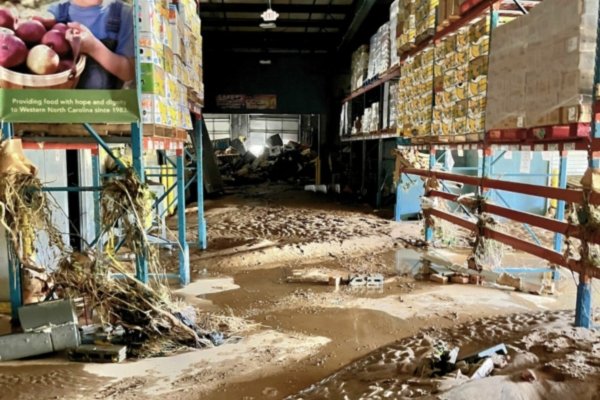
Consider the story of Mark Oliver and Foundation Woodworks in Asheville's River Arts District. Two weeks before Helene, Mark and his fellow woodworkers had hosted a fundraising auction for MANNA Food Bank — their gallery filled with donated artwork for the cause. On September 27, 2024, that gallery and MANNA's warehouses both disappeared under 24 feet of floodwater from the French Broad River.
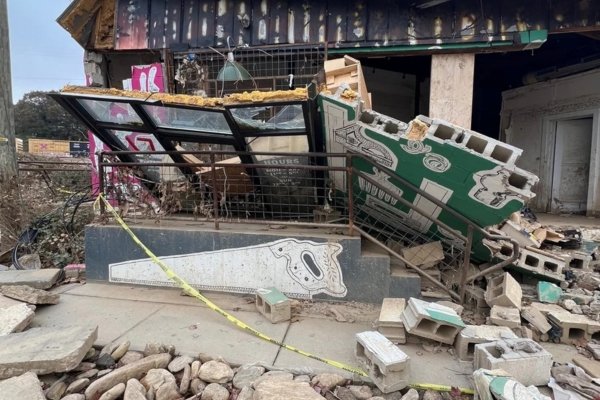
When the waters receded, Mark found his woodshop and gallery transformed into crumbling walls, destroyed equipment, and artwork covered in toxic mud. The gallery entrance had collapsed. Walls were missing from the back studios. For a stretch of days, it seemed the building might be condemned entirely.
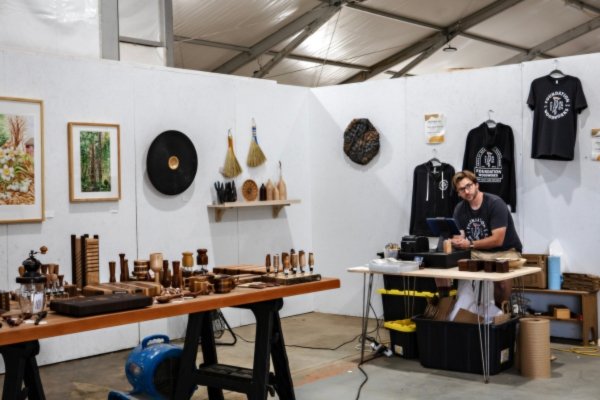
But Mark and his community didn't give up. More than 100 volunteers showed up to shovel mud and tear walls down to the studs. They spent weeks cleaning and cataloging hundreds of recovered artworks. Today, while Foundation Woodworks operates from a temporary tent gallery provided by Operation Blessing, Mark continues creating — and now channels that experience into memorial pieces for the Echoes of the Forest collection.
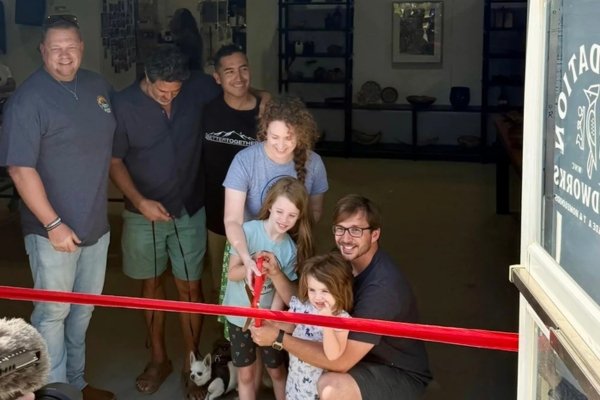
This is why stewardship matters. Artisans like Mark aren't just recovering — they're translating their experience into public art that helps a whole community heal.
The Artisans Behind the Trail
When you sponsor an Echoes of the Forest installation, you're not simply commissioning a piece of art. You're actively underwriting one of the most meaningful recovery efforts in our region's history. Each installation in the growing trail of public art honors what was lost, educates future generations about a 1,000-year geological event, and provides immediate income to the artisans whose livelihoods were disrupted by the storm.
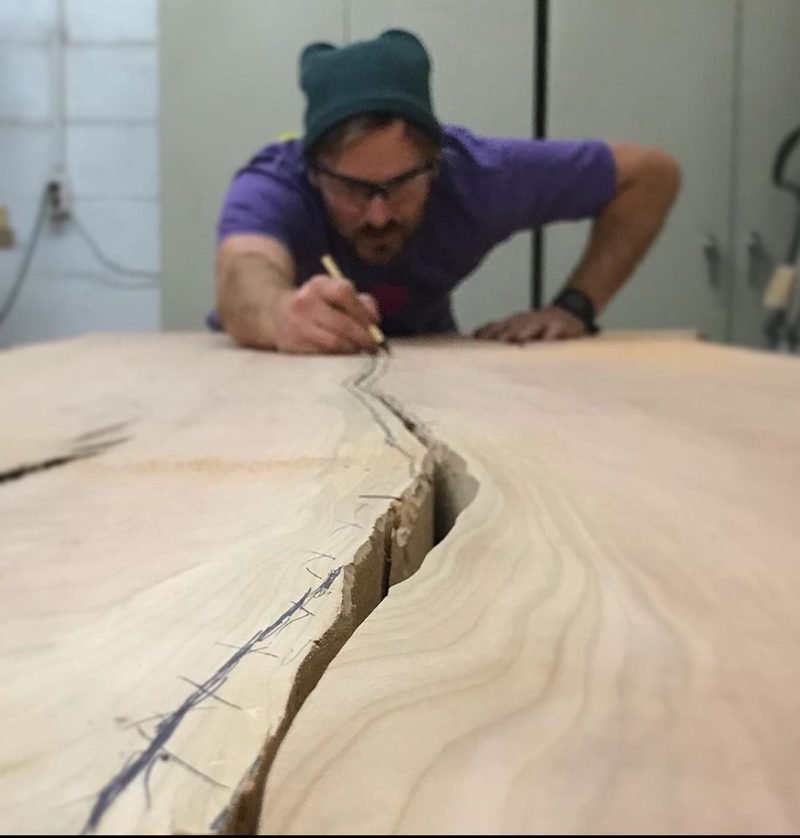
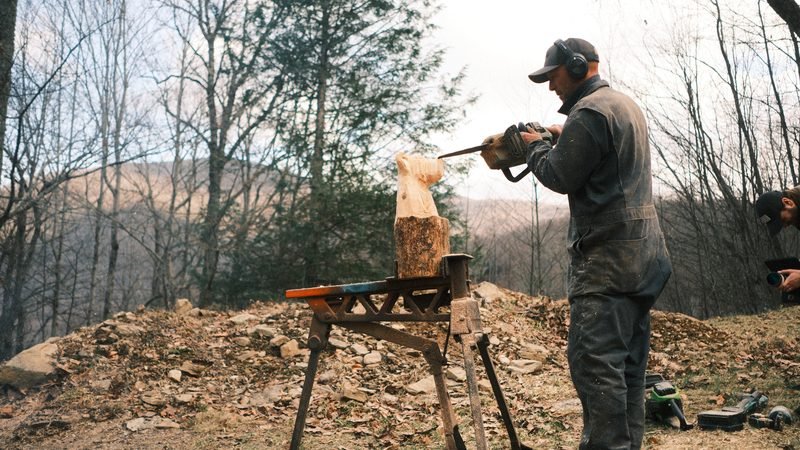
Consider Chester Shuey of Appalachian Joinery, whose fine furniture inspires younger generations of woodworkers. Or Mike Ayers of Whetstone Woodworks, whose chainsaw carvings translate the raw beauty of these mountains into permanent public sculpture. They're storytellers, historians, and the backbone of a regional creative economy. Stewardship ensures their work continues — and that their stories continue to be told.
What Your Stewardship Provides
Direct Economic Impact
Every sponsored installation puts money directly into the hands of local woodworkers. With 78% of forest damage falling on private land, individual craftspeople carry an outsized share of the recovery. These commissions are crucial financial lifelines — and they don't trickle down. They flow directly to the artisan whose name is on the piece.
Permanent Recognition
As a steward, your name or organization is permanently linked with a specific installation. Decades from now, visitors will pause at a memorial bench or sculptural piece, read the dedication plaque, and understand that in Western North Carolina's hardest hour, you stepped forward.
Educational Legacy
Each installation includes educational components that tell the story of Hurricane Helene's impact, forest ecology, and the region's recovery. Stewardship helps ensure these lessons aren't forgotten — creating teaching moments that will resonate with school groups, tourists, and community members for generations.
The Ripple Effect of Your Support
Stewardship creates waves of positive impact throughout Western North Carolina:
- Artisan employment. Each commission provides weeks or months of paid work for craftspeople.
- Material innovation. Salvaged wood that might otherwise be waste becomes a valued raw material.
- Tourism development. The growing trail of installations attracts cultural tourists, supporting the broader regional economy.
- Community healing. Public art spaces provide gathering points for processing collective experience.
- Environmental education. Installations teach sustainable forestry and climate resilience.
A Future Rooted in Hope
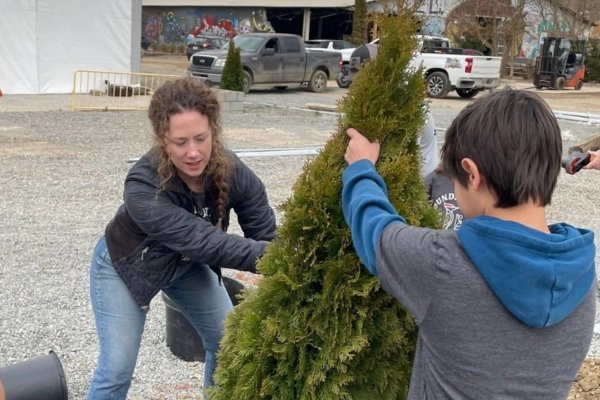
Imagine this trail years from now. Each Echo stands in the community it honors, and together they tell part of the story — the depth of what was lost, and the strength of what was made in response. A name on an installation isn't just a record of a donation. It's a record of someone who chose to invest in artisans when they needed it most, and who helped Western North Carolina write one of the most quietly hopeful recovery stories in this region's history.
As a 501(c)(3) nonprofit organization, contributions to Echoes of the Forest are tax-deductible to the fullest extent allowed by law. The benefits, though, extend well beyond tax advantages. This is about legacy. About community. About what becomes possible when people choose to participate in transformation rather than simply observe it.
The trees have fallen. The artisans are at work. The vision is clear. What's needed now is you.
Become a Steward of Transformation
Let's discuss how your stewardship vision aligns with our artisan commissions. Whether you have a specific installation in mind or want guidance in choosing one, we'd love to talk.
Email: info@echoesoftheforest.org
Phone: (828) 273-3096
Echoes of the Forest is a 501(c)(3) nonprofit organization transforming Hurricane Helene's fallen trees into a growing trail of public art across Western North Carolina — creating economic opportunities for local artisans, educational landmarks for visitors, and healing spaces for our community.