
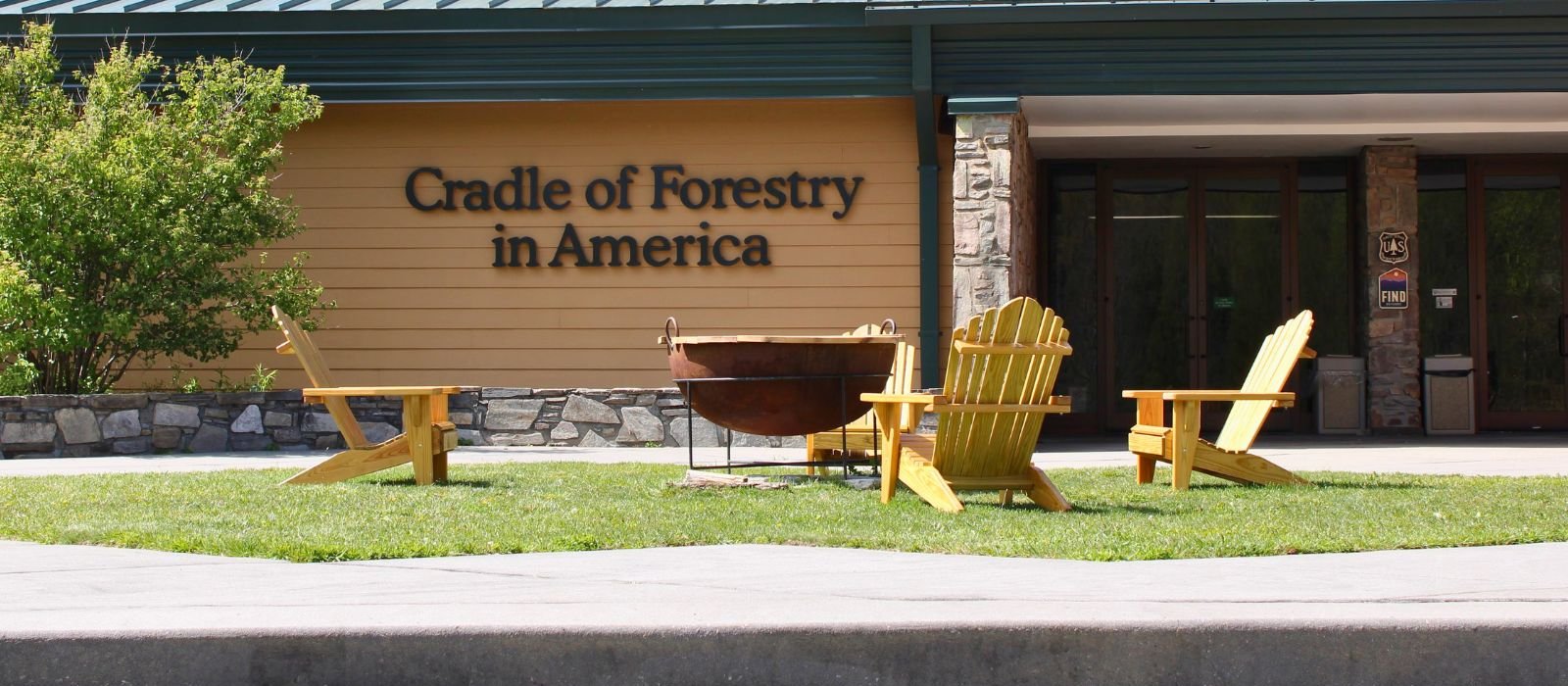
As part of my work with Echoes of the Forest, I recently visited the Cradle of Forestry in Pisgah National Forest to learn about an exciting new project that will connect art, education, and environmental stewardship.
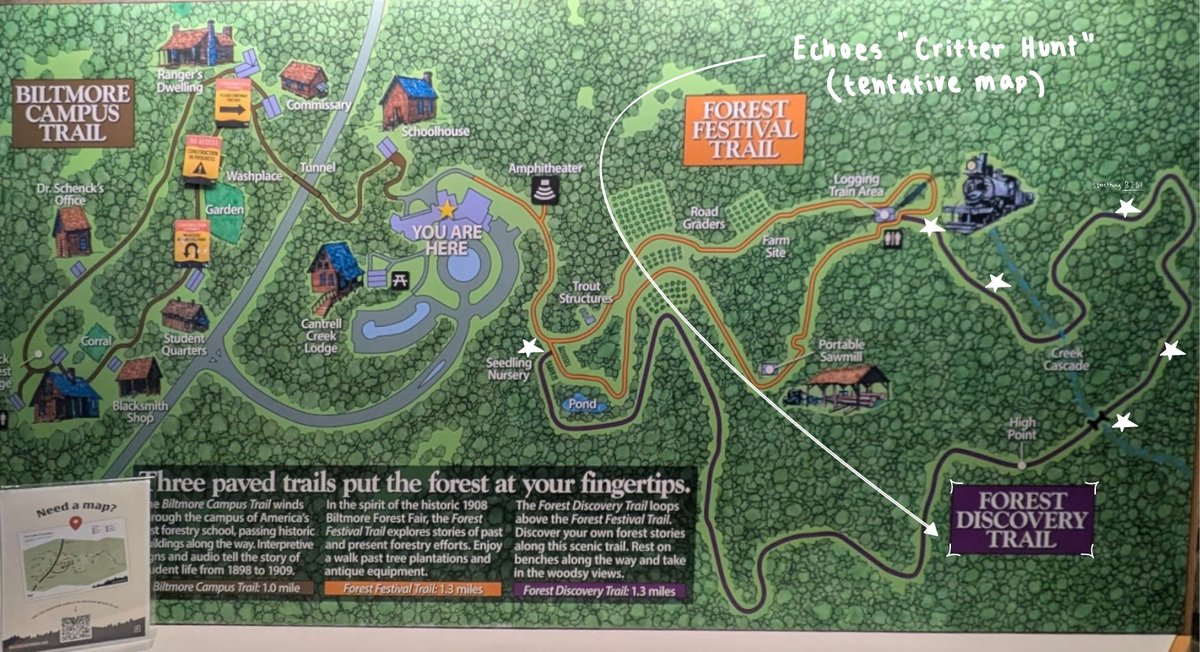
Echoes of the Forest connected Mike Ayers, also known as Whetstone Woodworks, with the Cradle of Forestry to carve a set of wildlife “critters” from Echoes-salvaged wood for the Forest Discovery Trail. He is creating a series of wildlife carvings from salvaged wood recovered after Hurricane Helene. These carvings will eventually become part of a scavenger hunt experience along the Forest Discovery Trail, encouraging visitors, especially children, to explore the forest while learning about the wildlife that call the Southern Appalachians home.
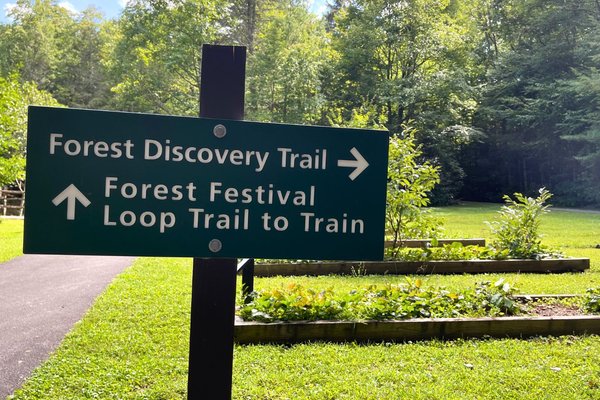
The Forest Discovery Trail is one of the Cradle’s lesser-traveled paths, winding through the forest and connecting to the popular Forest Festival Trail. The new carvings are designed to create engaging stops along the route while also serving as photo opportunities and educational stations. Each Echo carving will be accompanied by interpretive signage that shares information about the featured species, its habitat, and the connection between the artwork and the salvaged wood used to create it.
When is this?
The planned wildlife carvings are a surprise, but come September 2–4 between 11 AM and 3 PM to watch Mike carve onsite! They will be displayed during Timberfest on Saturday, September 5, and installation along the Forest Discovery Trail will take place later, allowing visitors to experience the full trail adventure in a future season.
Each animal was selected for its connection to the region’s ecosystems and history. One of the most fascinating species highlighted is the eastern hellbender, North America’s largest salamander. Hellbenders require clean, cold, fast-moving streams and are highly sensitive to pollution and environmental disturbance. Hurricane Helene significantly impacted many stream habitats across Western North Carolina, making the species an important symbol of both vulnerability and resilience.
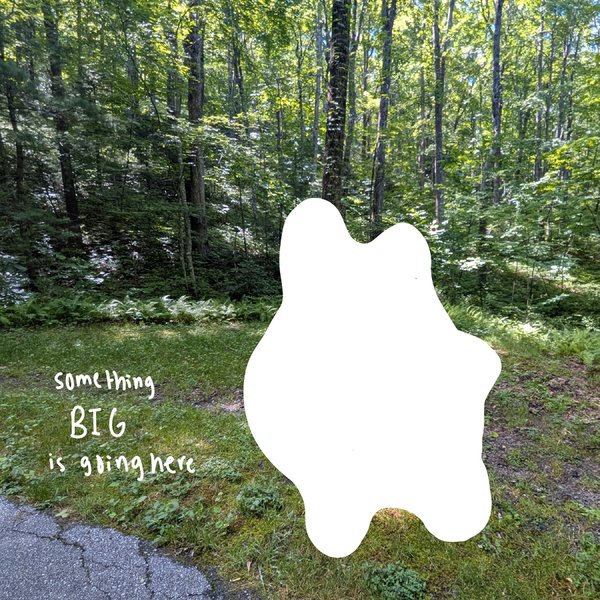
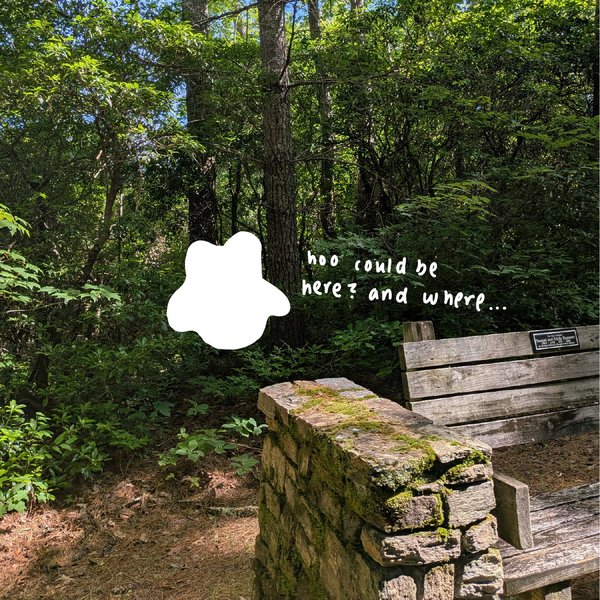
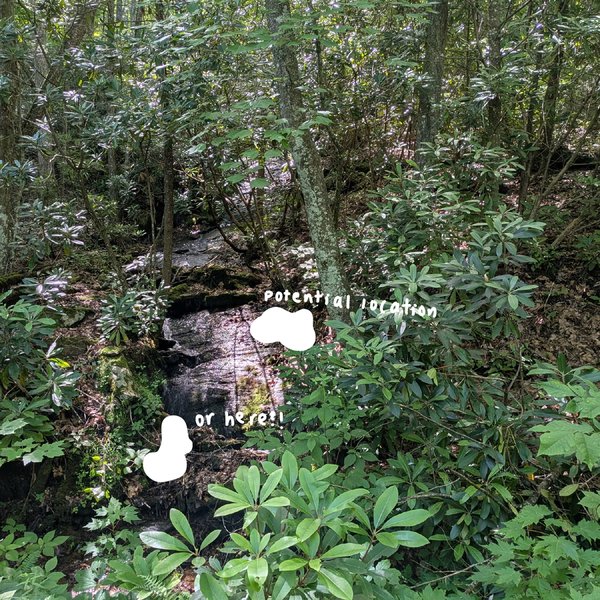
Scouting stops along the Forest Discovery Trail — final sites to be revealed
Beyond the wildlife itself, the project also highlights the rich history of the Cradle of Forestry. During our visit, we learned about the area’s role as the birthplace of scientific forestry in America. It was here that George Vanderbilt first hired forester Gifford Pinchot, and later Carl Alwin Schenck, to develop sustainable forest management practices that would shape the future of American forestry. This site later became home to the Biltmore Forest School, where many of the nation’s first professional foresters received their training.
We also discovered an unexpected piece of local history: the area surrounding the trail once served as a deer farm. In the late nineteenth and early twentieth centuries, white-tailed deer populations had declined dramatically due to overhunting and widespread deforestation. Fawns raised on the property were distributed throughout the Southeast to help restore deer populations, making one of the planned carvings a meaningful connection to the landscape’s past.
What makes this project especially meaningful is how it transforms wood from Hurricane Helene–felled trees into something that will continue serving the community for years to come. Rather than viewing storm-damaged trees as waste, Echoes of the Forest and their partners are finding new ways to preserve their stories through public art, education, and environmental engagement.
Visiting the Cradle of Forestry was a reminder that forests are more than collections of trees. They are places where history, ecology, education, and community intersect. Through projects like this one, the legacy of Western North Carolina’s forests continues to grow in new and meaningful ways.
Visit us at echoesoftheforest.org — or reach us at info@echoesoftheforest.org or (828) 273-3096.